Ocean Freight
Ocean Freight
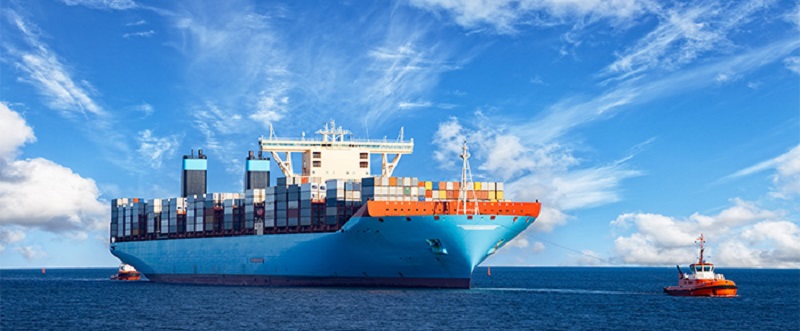
Ocean freight is one of the most widely used and efficient solutions for shipping goods across international markets. Discover what sea freight shipping is, how it works at each stage, the main shipping methods available, the advantages it offers businesses, and why it remains a strategic choice for global supply chains.
FCL maritime transport
FCL refers to the fact that a single container is dedicated to one company and cannot be destined for other customers. The container doesn’t necessarily have to be full: the term refers to the ownership of the container itself, not its commodity.
LCL maritime transport
LCL is used when a single container is loaded with merchandise from multiple senders individually, not filling the entire loading unit. It is the most convenient solution for small quantities of goods to transport.
Ocean freight shipping: procedure and loading methods
The procedure for maritime shipments can be summarized briefly in the following steps:
Goods are packed based on their size, shape and nature;
The ocean freight forwarder books the container(s) and the necessary space
on the vessel for the shipment;
The merchandise cargo is moved to the port and goes through export customs ;
After customs clearance procedures, the goods are loaded into containers
and onto the ship;
Once the vessel arrives at the destination port, the container is unloaded and the goods go through
import customs procedures;
After passing customs, the goods are released and ready for delivery.
Container Ships
Among the most used for sea shipments are container vessels. As the name implies, this type of ship is structured to contain large quantities of cargo compacted inside various types of containers. Container ships are available in different sizes (Panamax, Suezmax, Post-Panamax, Post-Suezmax and Post-Malaccamax) and can be structured for specific purposes. For instance, there are refrigerated container ships, designed for transporting goods at a controlled temperature (used in the shipments of food and beverages).
Bulk Carrier Ships
Along with container ships, another widely used type is bulk carriers. These are especially designed for the transport of dry cargoes in bulk quantities. The cargoes are, indeed, transported without specific packaging. There are various types of bulk carriers: conventional bulkers, geared bulkers, gearless bulkers, self-discharging bulkers and more.
Tanker Ship
There are also ships specialized for transporting liquid cargoes: tanker ships.
These are divided into various types depending on the type of cargo they carry: oil tankers (for transporting crude oil and by-products), liquefied gas transport ships (for transporting LPG, LNG and other liquefied chemical gasses) and chemical product transport ships.
There are other types of tanker ships: from integrated tug-barges to tanker ships for shipping wine and spirits.
We provide innovative product solutions for all sustainable progress partners and customers, connecting industries to society.
Unmatched Expertise
Cutting edge Technology
Safety Compliance
Efficiency & Reliability
Transport & Chartering International LTD provides reliable, safe and sustainable solutions that can meet any of your business needs. Our Team is happy to answer your questions. We look forward to hearing from you.
For Services & Partnership
Contact Us nowStrategy & Values
Operating a widespread network of terminals worldwide, we provide essential storage solutions for petroleum products. At the core of our values is an unwavering commitment to service excellence. By prioritizing our customers' success and acting as true business partners, we forge strong relationships built on transparency, dedication, and mutual trust.
Transport & Chartering International LTD
We are certified!!!

ISO 22000
Certified
ISO 14001
Certified
OHSAS 18001
Certified