Air Freight
Air Freight
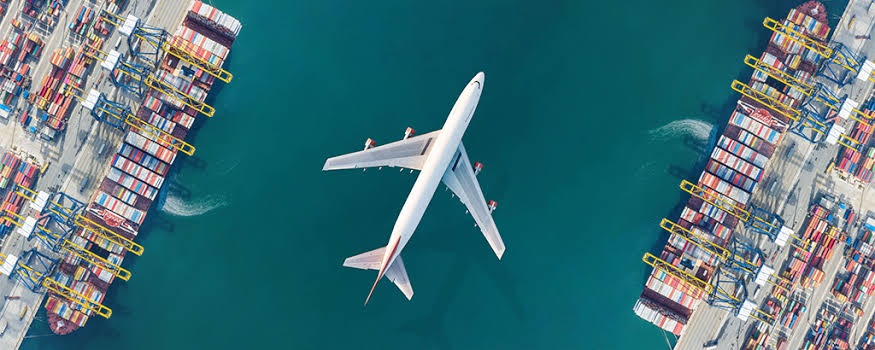
The air freight process
The process involves several key steps, ensuring the efficient and safe transportation of goods from origin to destination. Here’s a brief overview:
Booking and Documentation: The shipper or a freight forwarder books space on an aircraft and prepares necessary documents, including the air waybill, commercial invoice, packing list, and any special handling instructions.
Cargo Handling and Inspection: The cargo is delivered to the air cargo terminal, where it undergoes security screening, inspection, and, if necessary, repackaging to meet air transport standards.
Loading and Transportation to Aircraft: Once cleared, cargo is packed in Unit Load Devices (ULDs), such as pallets or containers, then moved to the aircraft for loading. Special equipment is used for oversized or heavy items.
In-Flight and Transit: During flight, cargo is secured and monitored. If the shipment requires transfers, handling and customs procedures are managed at each transit point.
Arrival and Customs Clearance: Upon arrival at the destination airport, cargo undergoes customs clearance, where documents are verified, and any duties or taxes are paid.
Delivery to Final Destination: After clearance, the cargo is ready for pickup by the consignee or delivery to the final destination by ground transportation.
Types of air freight shipments
Air freight shipments can be categorized into several types, each serving specific needs and purposes in the logistics chain. Understanding these types can help businesses choose the most suitable option for their cargo:
General Cargo: This category includes a wide range of goods that do not require special handling or conditions, such as machinery, electronics, and clothing. It’s the most common type of air freight.
Perishable Cargo: Items that have a limited shelf life, such as fruits, vegetables, flowers, and some pharmaceuticals. These goods require temperature-controlled logistics to maintain their quality during transit.
Dangerous Goods: Items that are hazardous and require special handling and packaging to ensure safety during transportation. This includes flammable, toxic, corrosive, or explosive materials.
Valuable Cargo: High-value items such as jewelry, precious metals, and banknotes. These shipments are usually subject to strict security measures.
Oversized and Heavy Cargo: Goods that exceed standard size or weight limits, such as industrial machinery, vehicle parts, and aerospace components. Special arrangements are necessary for their transport.
Benefits of air freight
The benefits are manifold and make it a preferred choice for many businesses. Here are some of the key advantages:
Speed: Air freight is by far the fastest mode of transportation, allowing goods to reach their destination in a matter of hours or days.
Reliability: With fewer weather-related delays and better tracking systems, air freight offers higher reliability than other modes of transport.
Global Reach: Airports connect major cities worldwide, making air freight an excellent choice for international trade and cross-border shipments.
High Security: Air cargo terminals have stringent security standards in place, ensuring the safety of goods during transit.
Reduced Inventory Costs: The speed of air freight reduces inventory costs by reducing storage time and eliminating stock-outs.
Flexibility: Air freight offers flexibility in terms of timing, route, and capacity. It allows for last-minute changes and urgent deliveries.
We provide innovative product solutions for all sustainable progress partners and customers, connecting industries to society.
Unmatched Expertise
Cutting edge Technology
Safety Compliance
Efficiency & Reliability
Transport & Chartering International LTD provides reliable, safe and sustainable solutions that can meet any of your business needs. Our Team is happy to answer your questions. We look forward to hearing from you.
For Services & Partnership
Contact Us nowStrategy & Values
Operating a widespread network of terminals worldwide, we provide essential storage solutions for petroleum products. At the core of our values is an unwavering commitment to service excellence. By prioritizing our customers' success and acting as true business partners, we forge strong relationships built on transparency, dedication, and mutual trust.
Transport & Chartering International LTD
We are certified!!!

ISO 22000
Certified
ISO 14001
Certified
OHSAS 18001
Certified